

The Best Stain Remover for Tough Laundry Stains
7 Enzymes Including the One Used to Clean Crime Scenes
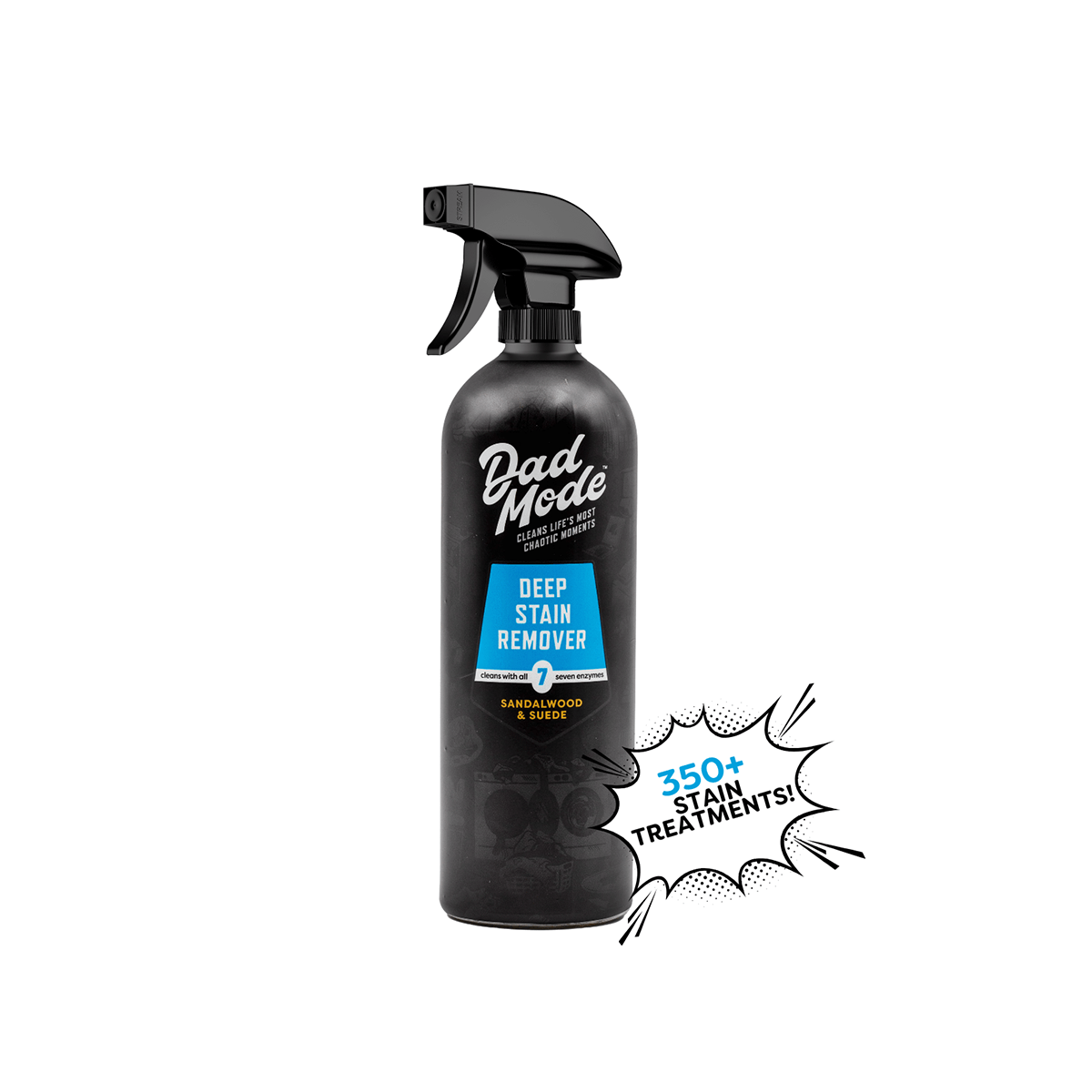
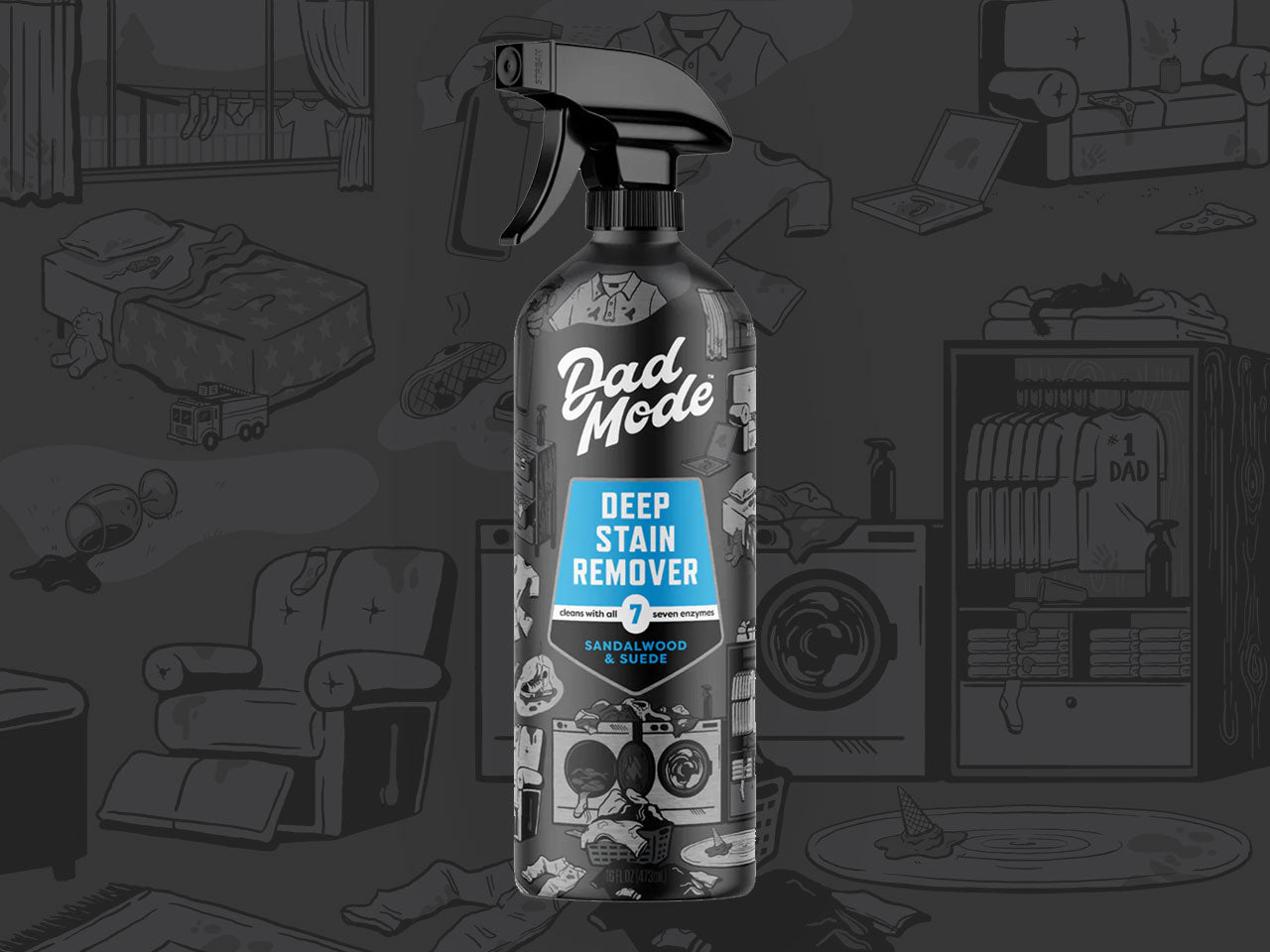
DadMode is an enzyme stain remover built around seven enzymes instead of the usual three. Most stain removers use three enzymes. DadMode uses seven, including Nuclease (DNAse), the same enzyme used by professional crime scene cleaners to break down DNA at the molecular level. Said another way, DNAse removes 87% more bodily fluid stains and odors vs. protease alone. If your go-to stain remover keeps failing you, it's not about scrubbing harder. It's about using something that was actually built to win.
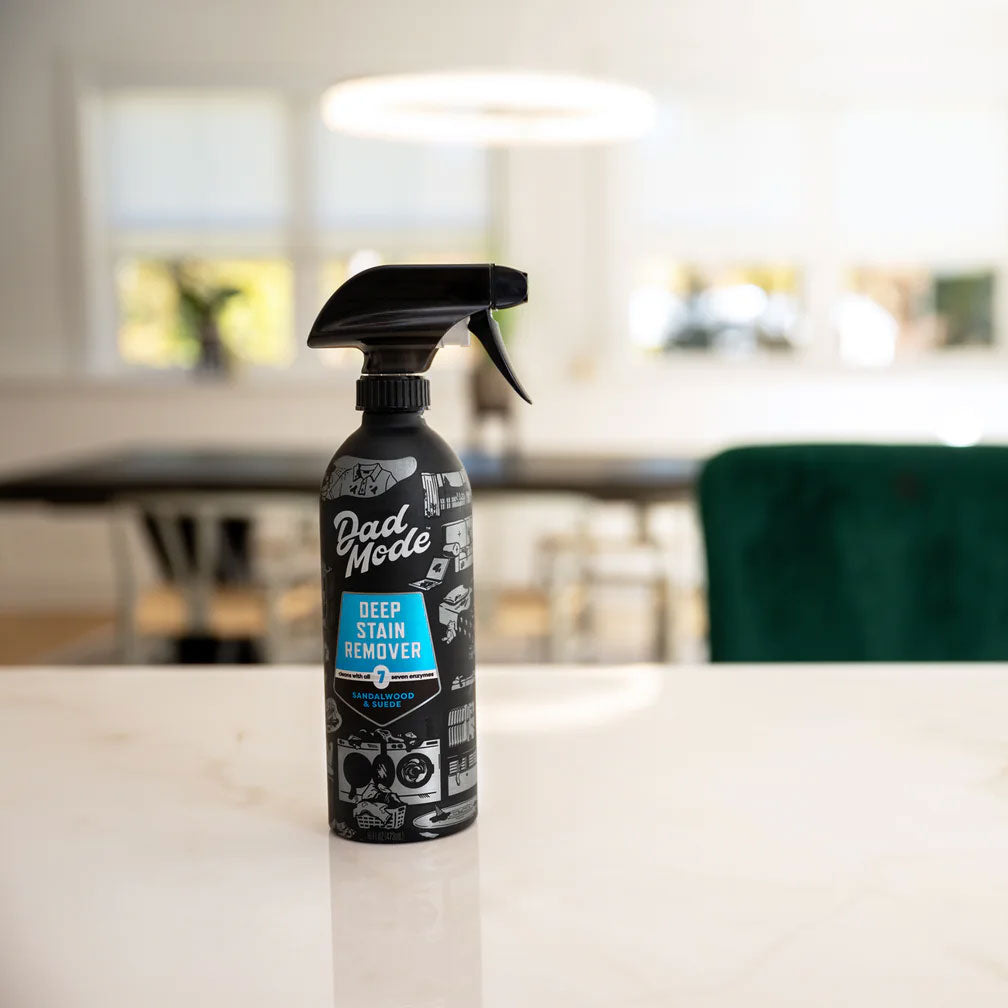
DadMode Deep Stain Remover was formulated by a chemist with 40+ years of experience and dozens of patents. The result is a 7-enzyme, color-safe formula that tackles the stains other products can't — grease, Rao’s tomato sauce, blood, sweat, spit-up, grass, and more. Engineered to pre-treat, penetrate, and eliminate. Made in the USA.
Key Takeaways:
Enzyme stain remover with 7 enzymes vs. the industry standard 3
DadMode's formula covers every major stain category, including bodily fluids - which 3-enzyme products can't touch.
Eliminates stains & underlying odors
Enzymes work at the molecular level to dismantle the stain structure, which also eliminates the smell.
Nuclease (DNAse) is exclusive to DadMode
The same enzyme class used in crime scene cleanup breaks down DNA and RNA in blood, sweat, spit-up, vomit, urine, and other wonderful substances bodies produce.
Formulated by a 44-year veteran chemist
Not a supplier blend. A purpose-built, patent-level formula designed specifically for the messes real families deal with.
Pretreat in seconds
Simply spray the stain thoroughly. The longer the contact time, the deeper the clean. We recommend at least 8 hours for deep, set-in stains as the enzymes need time to eat.
Named a Top 3 Stain Remover by Jeeves NYC
4th generation dry cleaning experts. Not a self-awarded claim, and it's a competitive field.
Color-safe, 95% natural ingredients, and Made in the USA
Manufactured in Massachusetts. No bleach. No shortcuts.
Why Most Laundry Stain Removers Fail on Tough Stains
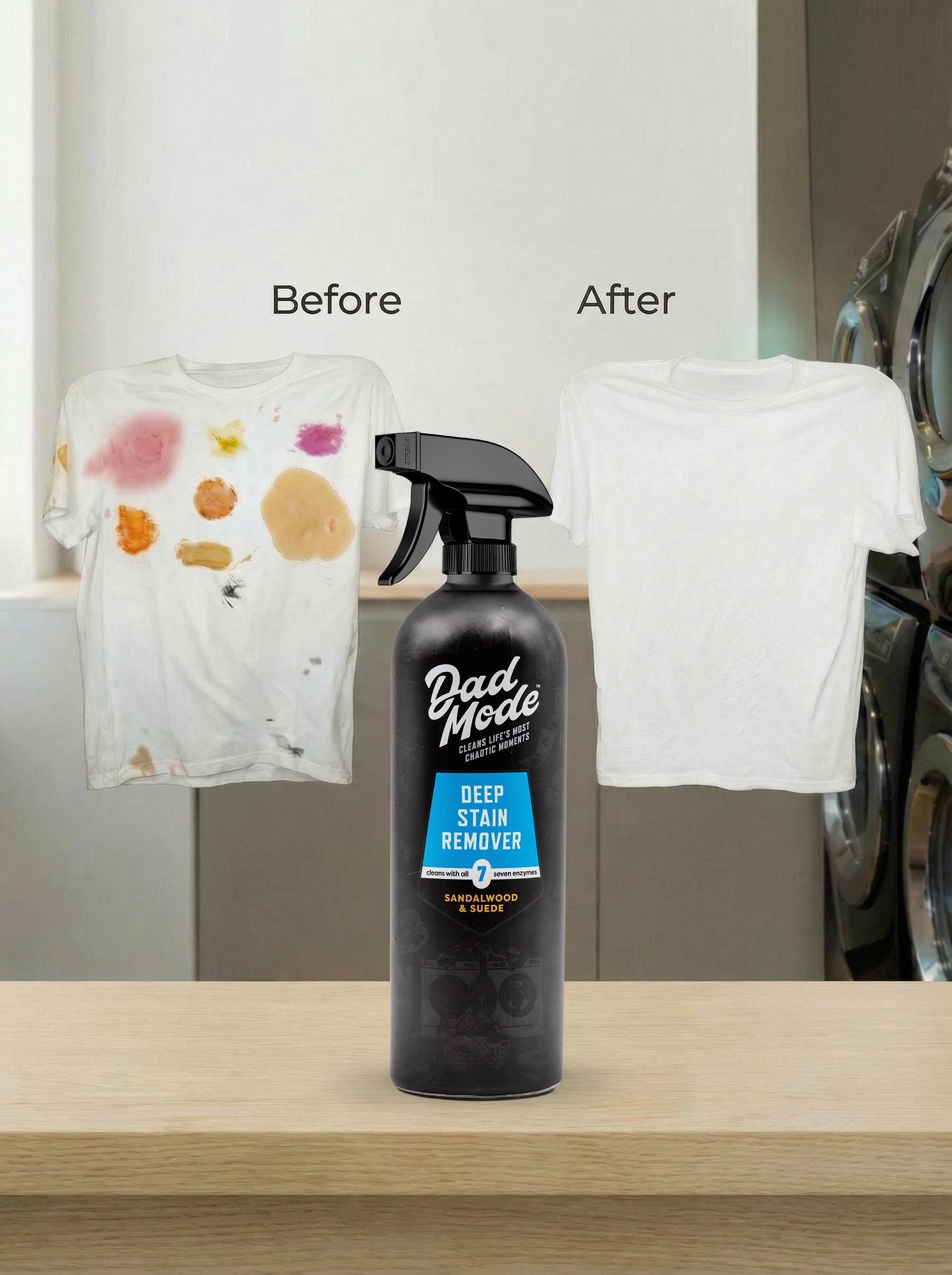
The problem isn't your washing machine. It's the product. Most household stain removers are built around 3 enzymes: protease, amylase, and mannanase. Some stain removers use no stain removers and rely solely on surfactants or oxygen bleach alone, which only lightens stains but won’t remove the underlying substance (and odor). Technology has evolved since these decades-old formulas came to market and it leaves a long list of common stains completely untouched.
Types of Common Household Stains
Stains generally fall into seven categories, and each requires a different enzyme to break it down properly.
A 3-enzyme formula covers some of these. A 7-enzyme formula covers all of them.
Protein-based stains
Food, sweat, dairy, blood
Oil and fat-based stains
Cooking oils, body oils, grease
Starch-based stains
Pasta, rice, potatoes, grains
Processed food stains
Sauces, dressings, ice cream, foods with gums and stabilizers
Fruit and plant-based stains
Berries, wine, tomato sauce, citrus, vegetables
Fiber-bound dirt and dinginess
Ground-in dirt, trapped odors, fabric graying
Complex/mixed stains
Multi-ingredient stains like BBQ sauce, baby food, salad dressing, underarm stains, hybrid food + body soils
Why Biological Stains Are the Hardest to Remove
Blood, sweat, spit-up, stool and other bodily fluids don't just contain protein — they contain DNA and RNA. Standard protease enzymes break down protein. But the DNA strands remain behind, which is why stains seem to "come back" and why gym gear still smells off after washing. Deoxiribonuclease (DNAse) targets DNA and RNA directly, eliminating the biological residue that other formulas can't reach.
Oil-Based vs. Water-Based Stains
Water-based stains dissolve relatively easily in a wash cycle. Oil-based stains bond tightly to fabric fibers and resist standard detergents entirely. Lipase — one of DadMode's 7 enzymes — is specifically designed to break down fats and oils before the wash cycle begins, so they can actually be lifted away.
Why Stains Set Into Fabric Permanently
Heat locks stains in. Once a stained garment goes through the dryer before being properly treated, the stain can bond permanently with the fabric fibers. Pre-treating with DadMode before the wash cycle — and avoiding the dryer until the stain is gone — is the single most important thing you can do to save a piece of clothing.
Why DadMode Is the Best Enzyme Stain Remover for Laundry
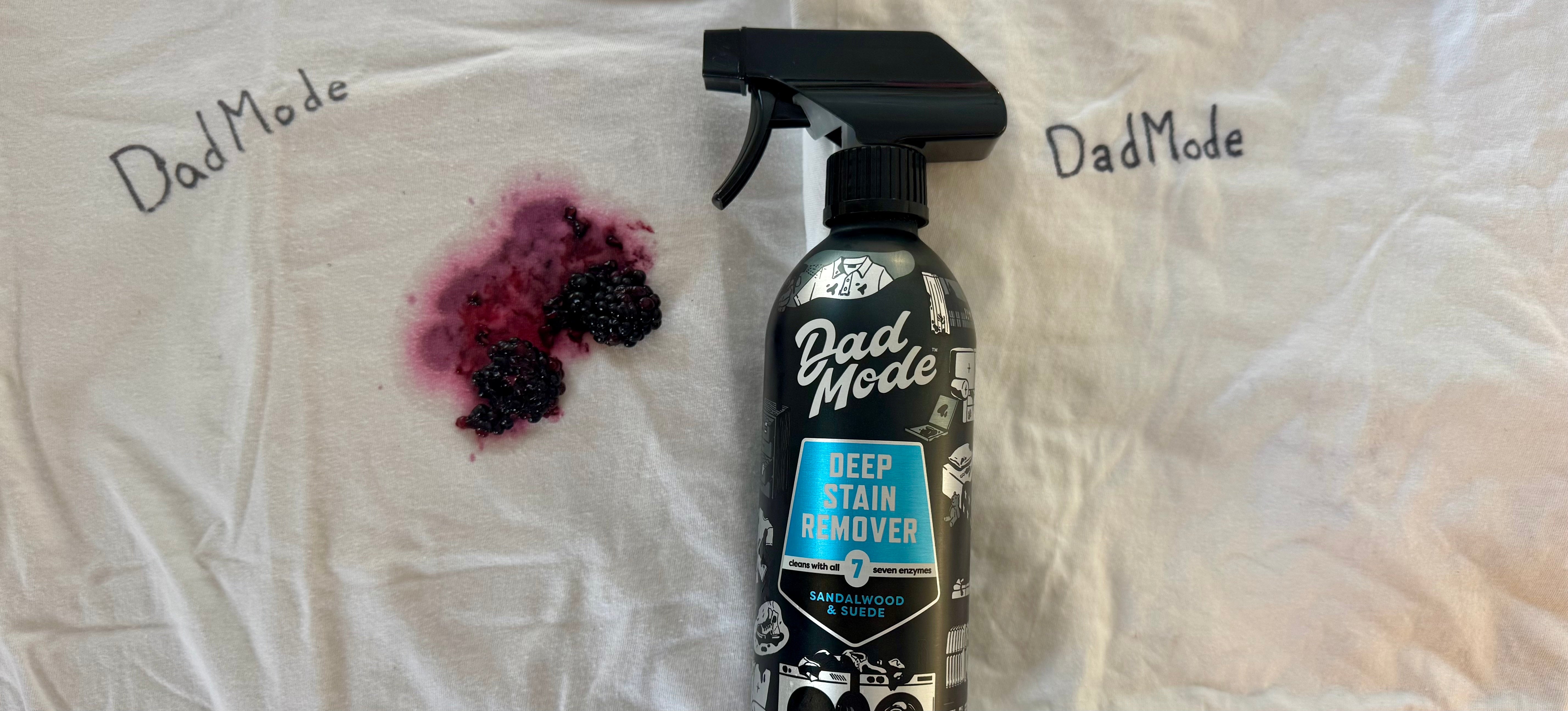
DadMode isn't another supermarket stain spray with a fresh scent and weak results. It's an overengineered, 7-enzyme formula built by a founder with 29,000+ hours of cleaning experience and formulated by a chemist with 40+ years in the field. The goal was simple: make something that actually works on the messes real families deal with every day.
7 Enzymes in DadMode and What Each One Does
While most competitors use 3 enzymes, DadMode's formula deploys all seven of the following:
- Nuclease (Exclusive to DadMode) — Breaks down DNA and RNA in biological stains. Blood, sweat, saliva, spit-up, breast milk, urine, fecal matter, vomit, mucus, menstrual blood, postpartum bleeding, seminal fluid, and other bodily fluids. The same enzyme class used by crime scene cleaning professionals. No other consumer laundry stain brand uses it.
- Protease — Breaks down proteins. Blood, sweat, grass, baby formula, dairy, protein shakes.
- Amylase — Breaks down starches and carbs. Pasta sauce, potatoes, ice cream, gravy.
- Lipase — Breaks down oils and fats. Pizza grease, butter, sunscreen,
makeup. - Mannanase — Breaks down food thickeners (guar gum, xanthan gum). BBQ sauce, ketchup, ice cream, baby food.
- Pectinase — Breaks down fruit and plant pectin. Wine, marinara sauce, jelly, berries, juice.
- Cellulase — Breaks down cellulose soils and restores fabric. Dirt, dust, sweat rings, deodorant buildup.
Formulated by a 44-Year Veteran Chemist
The formula wasn't pulled from a supplier catalog. DadMode's lead chemist has over 4 decades in the field and dozens of patents. The 7-enzyme blend is not easy to make and it's not cheap to produce. That's intentional. We set out to be a brand built on strong, powerful cleaning formulas.
Recognized by Jeeves NYC - 4th Generation Dry Cleaning Expers, 2M+ Followers
DadMode Deep Stain Remover was named a Top 3 Stain Remover by Jeeves NYC, the leading expert in laundry care with over 2 million social followers and four generations of professional garment care behind them. That's not a self-awarded badge. That's a third-party endorsement from people who clean laundry for a living.
Real Stains. Real Families. Real Results.
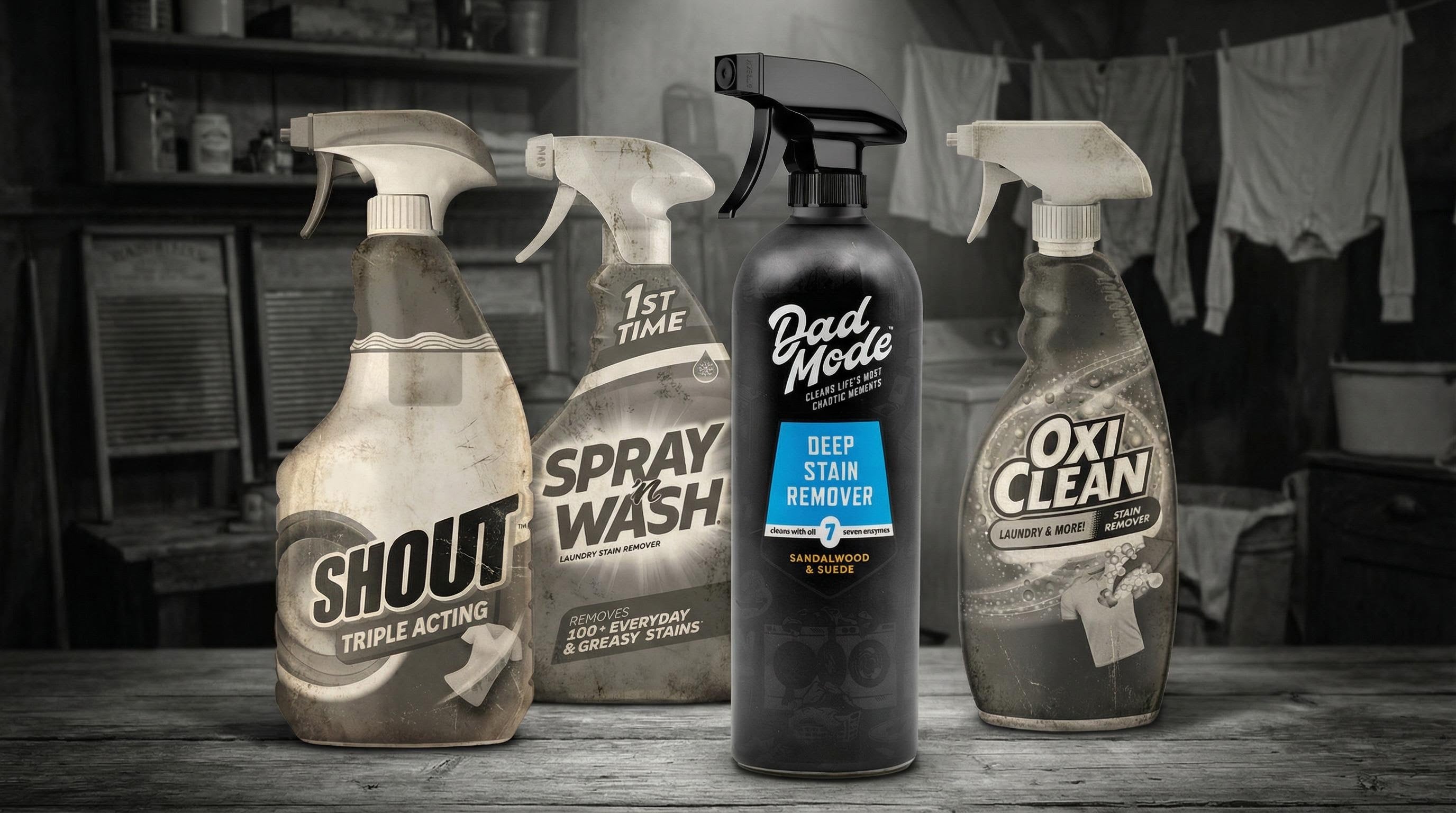
The messes on this page aren't hypothetical. They're the ones our customers were ready to throw their clothes away over — until they tried DadMode.
These aren't curated edge cases. This is what happens when a 7-enzyme formula built for real life actually meets real life.
Safe for Everyday Fabrics
Despite the industrial-grade enzyme lineup, the formula is color-safe and designed to work on cotton, polyester, athleisure wear, blended fabrics, performance wear, and everyday clothing. Over 95% natural ingredients. No bleach. No shortcuts.
Spray It Where You Need It
Unlike powder or pod-based stain treatments that require treating an entire load for one stain, DadMode's spray bottle puts the formula exactly where it's needed. Targeted. Efficient. No waste.
Made In The USA 🇺🇸
DadMode is headquartered in Connecticut and manufactures all products in Massachusetts.

Benefits of Pre-Treating Tough Laundry Stains Before Washing
Getting a stain out isn't about what happens in the wash — it's about what happens before it. Pre-treating gives the enzymes time to penetrate the fibers and “eat” the stain. Without that step, the washing machine is just moving the problem around.
Stops Stains From Becoming Permanent
Treating a stain within the first few hours dramatically increases the chance of full removal. Every hour you wait, the stain bonds further with the fabric. With DadMode, it doesn’t matter if the stain happened 2 hours or 2 years ago. Enzymes work the same, by targeting the source, eating it, and then the surfactants wash the remnants away.
For instance, if you spilled red wine on your favorite dress shirt at the Christmas Party of 2023, the pectins are what’s holding that stain together. The enzyme called Pectinase will target those fruit pectins, eat them, then the surfactants creates a soapy solution to gently wash away what’s left over.
Keeps Clothes Looking and Lasting Longer
Clothes that get properly cleaned last longer. Repeated washing with a stain embedded weakens fibers over time. Getting it out right the first time is better for the garment and better for your wallet.
Further, the enzyme cellulase will make fibers softer, smoother, and closer to original form over time. In short, your clothes will look newer the longer you use a product with cellulase.
The days of church clothes turning into play clothes after one use are over.
Eliminates Odors at the Source - Not Just the Surface
Masking odors with fragrance is not the same as removing them. Because DadMode's Nuclease (DNAse) enzyme breaks down the DNA-based biological material causing the smell, the odor is eliminated rather than covered up. That's why gym gear and baby clothes smell genuinely clean after treatment, not just "fresh-scented."
No Need for Bleach or Harsh Chemicals
Because the stain is broken down enzymatically before washing, there's no need to reach for bleach or aggressive detergents that can damage fabric and color over time.
Saves the Second-Wash Frustration
Pulling a shirt out of the dryer and finding the stain still there is one of those infuriating moments every parent knows. Pre-treating with the right formula means it gets handled the first time.
How to Remove Tough Stains: Step-by-Step
The process is simple. The science doing the heavy lifting underneath is not.
Step 1: Identify the Stain and Check the Fabric
Before applying anything, identify the stained area and confirm the fabric is safe for treatment. For delicate materials, test a small hidden area first. For wool or silk, never let the solution soak for more than an hour before rinsing. If needed, repeat the procedure.
Step 2: Spray DadMode Deep Stain Remover Directly on the Stain
Apply the spray so the entire stained area is fully covered. No need to soak the whole garment — the targeted spray puts the formula exactly where it needs to go.
Step 3: Lightly Work It Into the Fabric (Optional)
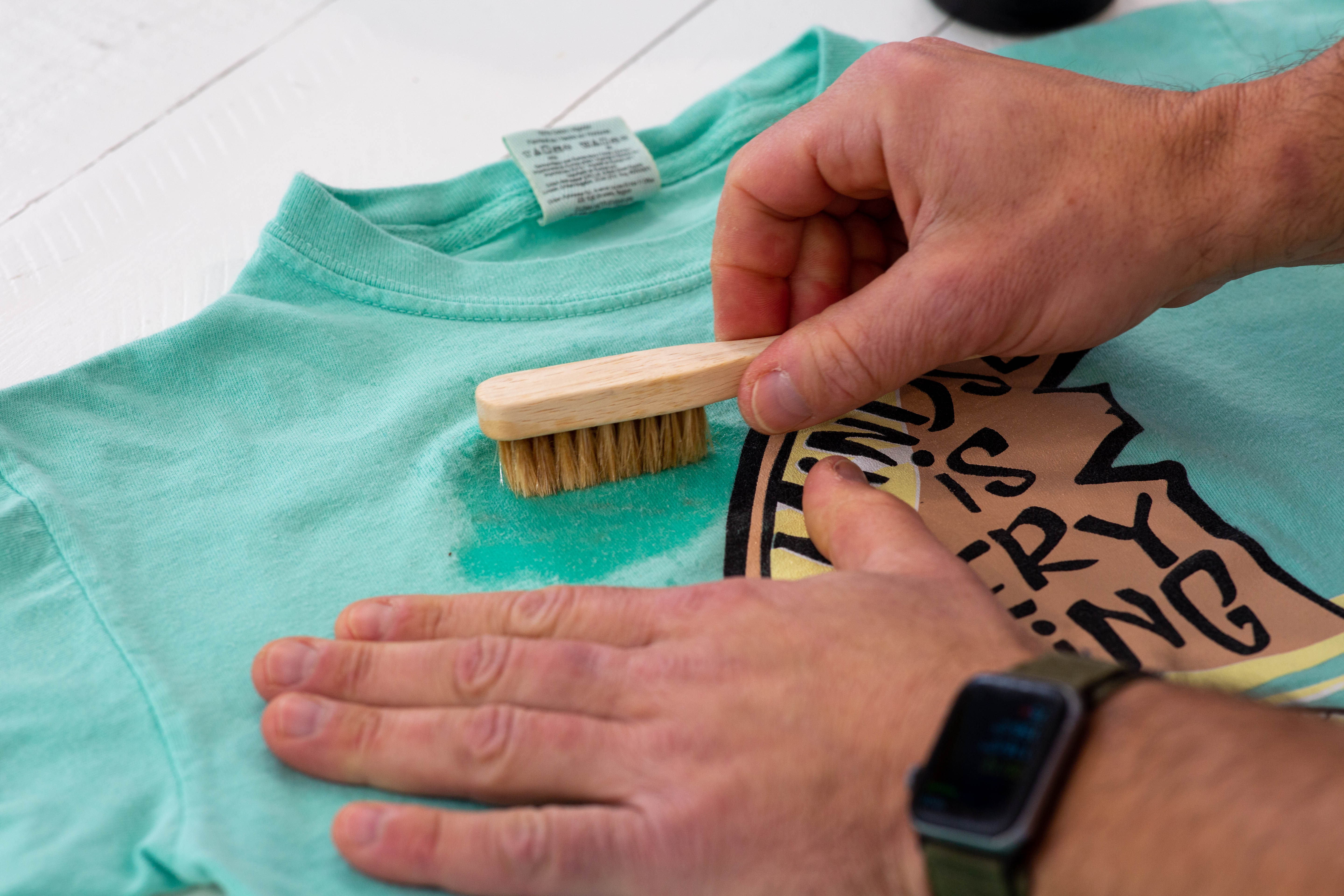
Use a DadMode Deep Stain Remover Brush or rub fabrics together to gently work the solution into the fibers. Light pressure only — aggressive scrubbing can damage fabric. While optional, agitation increases effectiveness by about 25% as the enzymes get in contact with the deeper fibers holding the stain.
Step 4: Let the Enzymes Cook
This is where most people shortchange the process. For lighter stains, 30–60 minutes of contact time is often enough. For tougher or set-in stains — tomato sauce, blood, sweat stains that have been through the dryer — letting the formula sit overnight significantly improves results. If you're in a rush, use your washer's "1-hour delay" function after applying.
Pro tip: We recommend pretreating your laundry and getting to it when you have time, which is usually over the next few days. Pretreating a full load of laundry should take you less than 1 minute.
Step 5: Wash as Normal
Wash the garment according to its care label. Cold water is recommended for most stained items before the stain is confirmed to be out. Unlike oxygen bleach, you don’t need hot water to make enzymes work.
Step 6: Dry
Always check the fabric label. Most clothing will do fine on Permanent Press/Low Heat.
Common Stain Removal Mistakes to Avoid:
Waiting Too Long to Treat
The longer a stain sits, the deeper it sets into the fibers. Treat it the same day, or at the very least before you throw it in the hamper and forget about it for a week.
Putting Stained Clothes in the Dryer
The number one way to make a stain permanent. If you're not sure the stain is out, air dry.
Scrubbing Too Hard
Aggressive scrubbing spreads the stain and damages fabric fibers. Let the enzymes do the work. A gentle work-in with a soft brush is all that's needed. Another technique is to use the brush to ‘tap’ the solution into the fibers.
Using Too Much Product
More product doesn't equal better results, only more foam to rinse away. Full coverage of the stained area is the goal, not soaking the garment.
Using a 3-Enzyme Formula on a 7-Enzyme Problem
A standard stain remover doesn't have the enzyme range to handle biological stains, fruit-based stains, or oil-based stains all at once. If it keeps failing you on certain stain types, it's a formula gap, not a technique problem.
What DadMode Deep Stain Remover Won't Remove
No stain remover gets everything out, and we're not going to pretend otherwise. Here's what even DadMode can't save:
- Permanent marker (Sharpie)
- Oil-based paint
- Nail polish
- Black mold
If it's on this list, almost no product is saving that shirt. In edge cases, it will require a few different techniques and a lot of time. For everything else, DadMode is the strongest consumer stain remover you'll find and only takes 5 seconds to treat a stain.
Frequently Asked Questions
What makes DadMode different from OxiClean or Spray 'n Wash?
Most mainstream stain removers rely on 3 enzymes or oxygen bleach. DadMode uses 7 enzymes, including Nuclease (DNAse) — an ingredient no other consumer laundry stain brand currently uses. Nuclease breaks down DNA and RNA in biological stains, which is why DadMode handles the stains other products leave behind.
Oxygen bleach, the main ingredient in OxiClean, lightens stains but does not remove the substance at the core. Think of it like cooking in your kitchen and then wiping the counter down with a paper towel and water. It looks clean but you know there’s food remnants and residue left behind. OxiClean also requires you to use warm/hot water.
What is Nuclease and why is it in a stain remover?
Deoxyribonuclease (DNAse) is an enzyme that breaks down nucleic acids — DNA and RNA. In cleaning, it targets the biological material in stains like blood, sweat, saliva, spit-up, breast milk, formula, urine, fecal matter, vomit, mucus, and other bodily fluids that protease-only formulas can't fully eliminate. It’s actually 87% more effective on these stain sources than protease alone. It's the same enzyme class used by crime scene cleaning professionals. DadMode is the first and only consumer laundry stain brand using it.
What stains does Deep Stain Remover work on?
220+ stains and counting. Some of these are: grease, cooking oil, butter, sunscreen, tomato sauce, wine, fruit juice, BBQ sauce, ketchup, salad dressing, grass, dairy, baby formula, deodorant buildup, dirt, and more. Plus, the biological stains most products can't touch — blood, sweat, period blood, postpartum bleeding, seminal fluid, wound discharge, breast milk, pus, urine, fecal matter, vomit, mucus, and spit-up. Each of the 7 enzymes targets a specific category of stain.
Is it safe for white clothes and colored fabrics?
Yes. The formula is color-safe. It's enzyme-based rather than bleach-based, so it breaks down stains without stripping color from fabric.
Can it remove set-in stains that have already been through the dryer?
Heat-set stains are harder to remove, but the 7-enzyme formula — especially with overnight contact time — gives you the best available shot at lifting them. Apply, let sit overnight, and wash in tap cold water. Results vary depending on the stain type and fabric, but this is the strongest consumer formula available for set-in stains.
Does it work on baby clothes and spit-up?
Yes — and this is one of the areas where DadMode significantly outperforms standard products. Spit-up contains proteins, fats, and biological material including DNA components. The combination of Protease, Lipase, and Nuclease (DNAse) handles spit-up more completely than any 3-enzyme formula.
Does it work on gym clothes and sweat stains?
Yes. Sweat stains contain protein and DNA-based biological residue. Protease handles the protein component; Nuclease (DNAse) handles the DNA component. Both together eliminate the odor at the source rather than masking it. If your gym clothes still smell after washing, it's because the biological material is still there. Modern gym clothes are polyblends, which trap and harbor bacteria at a much more robust rate than cotton. DadMode is specifically engineered for this problem.
How long should I let it soak before washing?
Lighter stains: 30–60 minutes is often sufficient. Tougher or set-in stains: overnight is recommended and significantly improves results. No time? Apply and use your washer's 1-hour delay start to give the enzymes contact time before the cycle begins.
Can it be used on delicate fabrics?
For silk, wool, or other delicates, test a small hidden area first and never let it sit on the fabric for more than an hour before washing. The formula is designed to be safe on common fabrics including cotton, athleisure wear, polyester, and performance blends.
Where is DadMode manufactured?
DadMode is based in Connecticut and manufactures all products in Massachusetts. Proudly made in the USA.
Is the Sandalwood & Suede scent strong?
No. It’s very subtle. We added it because enzymes on their own have a unique aroma that we don’t consider to be pleasant. The idea around adding a scent was to create an enjoyable experience during application. The scent is completely rinsed away in the wash cycle.