

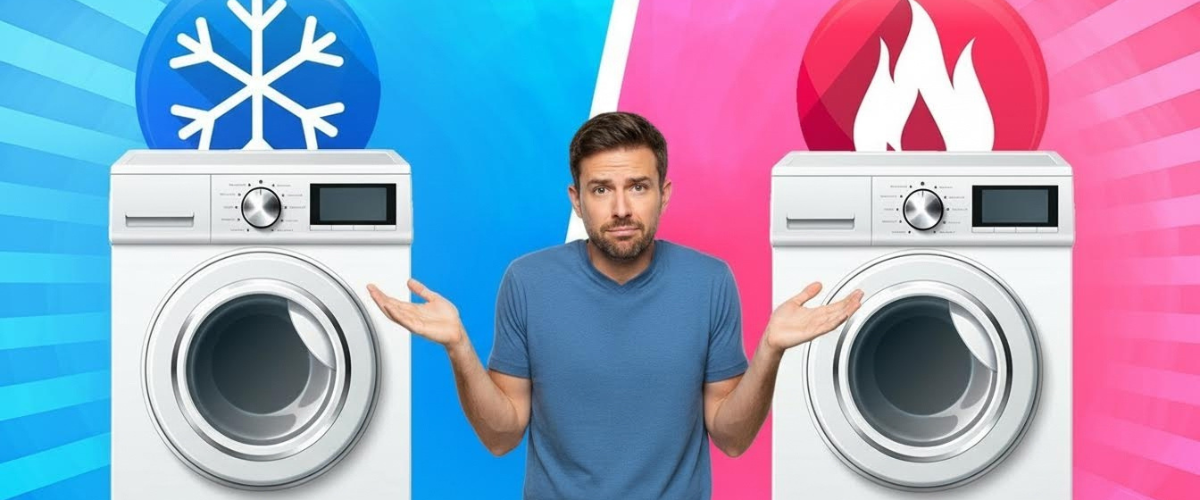
Hot vs. Cold Water: The Stain Temperature Rule Every Dad Learns the Hard Way
I used to think laundry temperature didn't matter.
Cold = “gentle.”
Hot = “serious.”
Then my kid wiped a popsicle across my sleeve like he was buttering toast, I panicked, blasted it with hot water, and watched the stain basically move in and start paying rent.
That’s when I learned the annoying truth:
Water temperature isn’t a preference. It’s a decision that can either lift a stain… or set it forever. And yes, I’m talking about the dryer too. The dryer is basically the final boss.
The simple (unsexy) science
Different stains behave differently because they’re made of different stuff.
Some stains are protein heavy (blood, milk, egg). Heat can “cook” those proteins into the fabric, which is why reputable stain guidance warns against hot water for fresh blood.
Some stains are oily/greasy (body oils, butter, sunscreen). Warm/hot water can help dissolve and loosen oily soils so detergent can carry them away.
And enzymes like the seven found in DadMode are basically little specialists that help break stain components down, especially proteins and starches. Protease targets protein stains, and enzyme systems often combine multiple enzyme types because real life stains are messy blends, not tidy categories.
When cold water is the move
Cold water is your safest default when you’re not sure what the stain is.
Because cold won’t “set” most things the way heat can. Especially proteins.
Fresh blood is the classic example. Every dad has a story. Mine involved a surprise nosebleed, a white tee.
Cold water also tends to be kinder to colors and fabric longevity (less fading/shrinking drama), and the American Cleaning Institute regularly promotes cold-water washing as a solid default for many loads.
So if you’re staring at:
- Anything protein-ish (blood, dairy, egg, formula,… the stuff that smells like a daycare)
- Mystery stains (the worst kind)
- Bright colors you actually like
Start cold. Treat first. Don’t race to heat.
When warm or hot water is actually helpful
Hot water isn’t evil. It’s just… powerful. And power needs supervision.
Warm/hot water can help with oily, greasy, waxy situations because it can soften and dissolve what cold water struggles to move.
Think: that shirt you wore while cooking bacon, or the hoodie that somehow absorbed a month of body oils. Those loads usually do better with warm.
Hot water can also be useful for things like whites, towels, and bedding when the fabric can handle it, not because hot water is magic, but because it can boost cleaning performance for certain soils. Just remember: if there’s a protein stain on there, hot water can backfire fast.
Also: care labels matter. Always. Laundry is already stressful don’t add “shrank my favorite sweatshirt” to your week.
The DadMode angle: why enzymes make temperature less of a gamble
DadMode Deep Stain Remover is built around 7 enzymes because real stains aren’t polite.
A kid spills chocolate milk on a shirt that already has pizza grease and playground dirt on it. That’s not one stain. That’s a portfolio.
Enzymes help by breaking stains into smaller pieces detergent can rinse away especially when you’re dealing with protein and starch components. Protease is the protein hitter. Amylase goes after starch. And multi-enzyme systems are common because different enzymes target different stain “ingredients.”
One thing we were honestly wrong about early on: I assumed hotter water always meant better cleaning.
Not true.
Sometimes hotter water just means you permanently bonded a stain to your kid’s school uniform right before picture day.
The “don’t set it” rules I live by now
- If you think it’s protein-based, go cold first. Blood especially.
- If it’s oily/greasy and the fabric allows it, warm can help.
- Never dry a stained item in the dryer until you’re sure it’s gone. Dryer heat is how “almost out” becomes “forever.”
- Pre-treat like you mean it. DadMode on the stain. Let it sit a bit. Then wash using the right temp for what you’re dealing with.
At DadMode we're here to help solve the worlds stain problems.
Share:
Why Enzymes?
The Stain Aisle Is Stuck in the Past. Your Laundry Isn't.